Weed Control 101: Tackling Crabgrass, Dallisgrass, and Other Tough Weeds in Gaston County
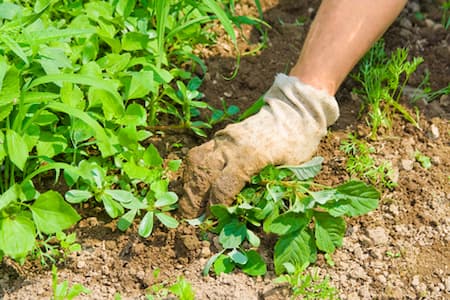
If you live in Mount Holly, you know how fast weeds can turn a tidy yard into a patchwork of problem spots. Our hot summers, clay-heavy soils, and quick weather swings create the perfect stage for grassy weeds and broadleaf weeds to show up. This guide breaks down what’s invading local lawns and how a professional plan keeps them in check. For a deeper look at treatment options used by our team, see our weed control program.
Homeowners across Belmont, Cramerton, McAdenville, and Lowell deal with the same weeds you do. If you want a quick overview or need help deciding your next step, start at the source with weed control in Mount Holly, NC from Perfect Pace Lawn & Landscaping, LLC. A strong plan pairs smart timing with the right products so you get lasting results instead of short-term cover-ups.
Why Weed Control Is Different In Gaston County
Lawns around the Catawba River corridor heat up fast in spring, then face humid stretches and pop-up storms all summer. That pattern favors fast-germinating annuals and deep-rooted perennials. It also stresses turf, which opens thin spots where weeds move in. Add compacted red clay and plenty of sun along driveways and sidewalks, and you have prime real estate for crabgrass and dallisgrass.
Because of these conditions, the most effective plans focus on prevention first, with targeted cleanup for any break-through plants. Timing and identification matter more than anything else. Applying the right product at the wrong time wastes effort and invites more weeds later.
Grassy Weeds vs. Broadleaf Weeds
It helps to sort weeds into two buckets before deciding how to treat them:
- Grassy weeds: Look and grow like grass. Local offenders include crabgrass, dallisgrass, and annual bluegrass. They blend into turf at first, then outpace it.
- Broadleaf weeds: Wider leaves and obvious flowers or rosettes. Think clover, chickweed, henbit, and dandelion across Gaston County lawns.
Why it matters: many products target one group better than the other. A lawn pro selects controls based on weed type, growth stage, and season, then builds a schedule that fits Mount Holly’s weather patterns.
Crabgrass vs. Dallisgrass: Know Your Enemy
These two get mixed up all the time, but they behave very differently and respond to different strategies.
Crabgrass is a warm-season annual. It sprouts when soils warm, sprawls low and wide, then dies off after the first hard cold snap. The catch is the seed bank it leaves behind. Good plans focus on prevention before germination, then spot-treat small escapes so they don’t mature and reseed.
Dallisgrass is a warm-season perennial. It grows in tall, coarse clumps with thick stems and seedheads that tower over the rest of the lawn. Because it returns from its crown and underground parts, it is tougher to suppress and often needs repeated, carefully timed applications. Misidentifying dallisgrass as crabgrass is one of the fastest ways to waste a season.
Pre-Emergent vs. Post-Emergent: What’s The Difference?
Both tools are vital, and each has a specific job:
- Pre-emergent: Creates a barrier in the soil that stops new weed seeds from becoming established. It’s about prevention, not cleanup.
- Post-emergent: Targets weeds that are already visible and actively growing. It’s used for escapes, patches, or tough perennials like dallisgrass.
Pros build the calendar around local soil and weather patterns, then layer in inspection visits to catch any trouble early. Skipping prevention forces heavy cleanup later, which is harder on the lawn and rarely cheaper in the long run.
The Weeds Most Likely To Show Up In Mount Holly
While every yard is unique, these are the usual suspects we see from spring through fall:
Crabgrass: Loves thin turf and edges that heat up, like the strip along driveways and sidewalks. Prevention before the season is the backbone of control, with follow-up for any plants that slip through.
Dallisgrass: Big clumps rise above your grass and return year after year. Plans focus on targeted treatments and lawn thickening so the clumps don’t regain ground.
Annual bluegrass (poa annua): Common in cool months. It’s a grassy weed with pale seedheads that stick out in spring. Addressing it takes well-timed prevention as the seasons shift.
Clover, chickweed, henbit: Broadleaf weeds that thrive when turf is stressed or soil is compacted. They respond well to selective post-emergent treatments during active growth.
Want a refresher on what’s what? This overview of common weeds and pests in Mount Holly highlights several plants our crews find in local beds and lawns.
Season-Smart Weed Control For Gaston County Lawns
Mount Holly lawns need a plan that matches our seasons. Here’s how professionals line it up across the year without guesswork or one-size-fits-all advice:
Late winter to early spring: Prevention takes center stage. Crews time pre-emergent applications to get ahead of warm-season annuals like crabgrass, then monitor for early sprouts at sunny edges and thin areas.
Mid to late spring: As turf wakes up, targeted post-emergent treatments clean up any breakthrough weeds. Turf nutrition and mowing height are adjusted to help grass fill in and crowd out invaders.
Summer: Heat and scattered storms can spark new activity. Technicians spot-treat problem patches, watch for perennial clumps like dallisgrass, and keep the focus on plant health so the lawn holds its density.
Late summer to fall: Attention shifts toward cool-season weeds and strengthening the yard for the coming months. Well-timed prevention aims at winter annuals, and selective treatments tidy up what’s present.
How Pros Keep Weeds From Coming Right Back
Weed control works best as part of whole-lawn care. That means the strategy isn’t only about spraying a problem; it’s also about removing the reasons weeds keep winning. A complete program from Perfect Pace Lawn & Landscaping, LLC typically includes:
- Seasonal prevention and cleanup for both grassy weeds and broadleaf weeds
- Soil-focused turf nutrition so desirable grass thickens and shades the soil
- Adjustments for sunny edges, compacted spots, and high-traffic areas
- Regular scouting to spot small issues before they spread
When your lawn is healthy and dense, seeds have less room to take hold. That is why the most reliable path to a clean yard in Mount Holly is a steady, season-long approach rather than bursts of activity when weeds are already established.
Crabgrass On The Edges, Dallisgrass In The Clumps: Reading The Signs
Edges that bake in the sun usually show the first crabgrass of the season. Wide-bladed clumps that shoot seedheads above the rest of the lawn are more likely dallisgrass. If you’re seeing either pattern along sidewalks in Belmont, near street trees in Cramerton, or around mailboxes in McAdenville, a precise diagnosis helps pick the right control method the first time.
That precision is the reason many homeowners choose a pro-led service rather than rolls of trial and error. If weeds keep returning in the same areas, it’s often a clue about soil, sunlight, or traffic that can be fixed as part of the plan.
Pre-Emergent vs. Post-Emergent: Putting Them To Work Together
You’ll get the best results when prevention and cleanup support each other. Prevention reduces the number of new weeds you ever see. Cleanup removes the few that sneak through and breaks cycles for tough perennials. Combined, they tip the balance back in favor of your grass and keep it there through every season.
Curious how that looks on your property in Mount Holly? Review our approach on the weed control page and see how it fits lawns across Gaston County neighborhoods.
What To Do Next
If weeds have the upper hand today, they will not wait for tomorrow. The simplest way to get momentum back is to pair prevention with selective cleanup and a health-first turf plan. That keeps new seeds from finding a home and stops established plants from spreading further.
Ready to get started? Connect with Perfect Pace Lawn & Landscaping, LLC at 704-497-1715. Our local team will walk your lawn, identify what’s growing, and map out a season-smart plan that fits Mount Holly and greater Gaston County. Or, if you prefer to browse first, you can learn more about service options and timing on our site’s main pages and schedule a visit when you’re ready.
Schedule A Consultation TodayWith Mount Holly's Finest Landscaping & Lawn Care Company