How Often Should You Mow Your Lawn in Mount Holly?
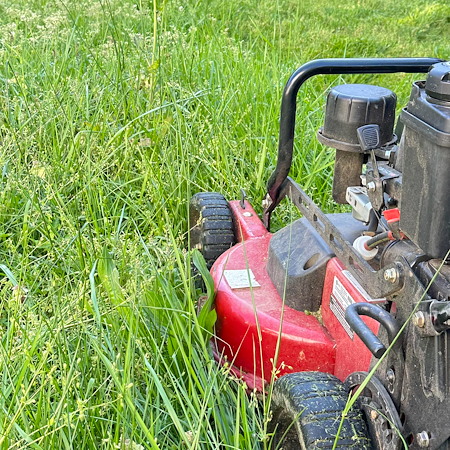
If you are wondering how often to schedule lawn mowing in Mount Holly, NC, you are not alone. Our Piedmont climate, shifting between cool, wet springs and hot, humid summers, can make grass growth feel unpredictable. A reliable plan protects turf health and keeps curb appeal high without stressing the lawn. If you want a set-it-and-forget-it plan, talk with our team and book weekly lawn mowing so your yard always looks ready for guests.
Lawn Mowing Mount Holly, NC: What Really Sets the Schedule
Mowing frequency is driven by grass type, weather, shade, and how much water and nutrients your lawn receives. In Mount Holly, most homes grow tall fescue, bermuda, or zoysia. Each behaves a bit differently across the year, and the one-third rule still applies. Never remove more than one third of the blade at a single cut. Keeping that rhythm helps roots stay deep and the color rich.
Local weather adds twists. Spring showers along the Catawba River push fast growth. Summer heat near Mountain Island Lake can slow cool-season grass, then afternoon storms speed it up again. A smart schedule flexes with those swings.
Seasonal Mowing Schedule For Common Carolina Grasses
Tall Fescue
Fescue is a cool-season favorite in our area, especially in shaded streets near Downtown Mount Holly and older neighborhoods with mature trees. It grows fastest in spring and fall.
- Early spring to late spring: mow about once a week to keep a steady height and thick canopy.
- Summer: stretch to every 7–10 days if growth slows in heat. In heat waves, aim higher height and avoid scalping.
- Fall: return to weekly as growth picks up until frost slows it down.
- Winter: mow only as needed. Growth is minimal, especially during cold snaps.
Bermuda
Bermuda thrives in full sun, spreads quickly, and loves the heat common along open lots and newer subdivisions. It greens up later in spring and explodes in summer.
- Spring green-up: every 7–10 days while it wakes up.
- Summer peak: once a week for most lawns, sometimes more often during rainy stretches.
- Fall: taper to every 10–14 days as temperatures drop and growth slows.
- Winter: dormant. Skip until it starts growing again.
Zoysia
Zoysia sits between fescue and bermuda on frequency. It likes sun, handles foot traffic, and can form a dense, soft carpet.
Plan weekly mowing in summer, every 10–14 days in spring and early fall, then pause during winter dormancy. Adjust if rainfall or fertilization speeds growth.
Summer storms roll through Mount Holly quickly, and wet grass is slick. For safety and better results, wait until the lawn dries before the next cut. Your mower and your turf will thank you.
How To Match Your Schedule To Your Yard
Two yards on the same street can grow at different speeds. Shade from hardwoods near Tuckaseege Park slows growth, while full-sun corners grow like crazy after a warm rain. Irrigation also changes the pace. Fertilized sections may need more frequent service than natural areas.
Here is a simple way to think about it: if you are cutting off more than a third of the blade each visit, increase frequency. If you are barely taking a sliver, you can spread visits out slightly. Consistency is the real secret to a healthy, even lawn.
Weekly Lawn Mowing Schedule Vs. Biweekly
Homeowners often ask if biweekly service is enough. During peak growth, skipping a week usually means you are forced to cut too much at once, which can lead to clumping and a pale, stressed look. A weekly rhythm keeps the canopy even, reduces debris, and makes edges look crisp along driveways and walkways.
When growth slows, your schedule can relax. But for most of spring and much of summer, a weekly cadence keeps things sharp. If you prefer zero guesswork, our team can maintain a steady plan and adjust for weather. You can learn how we handle timing and finish details on our lawn mowing page.
Local Factors That Change The Plan
Shade And Trees
Canopies near Dutchman’s Creek and mature street trees filter sun and reduce evaporation. Grass here grows slower and may stay damp longer. Cutting shaded turf slightly higher helps it compete for light.
Slopes And Drainage
Hillsides shed water fast after heavy downpours. Growth can be uneven, quick at the bottom and slower near the top. We fine-tune timing to smooth out that difference so the lawn looks level to the eye.
Traffic And Play Areas
High-traffic strips along sidewalks or backyard play zones wear down first. Keeping these areas on a steady cut helps thicken the stand and protects thin spots from spreading.
Season-By-Season Snapshot For Mount Holly
Spring brings pollen and rapid growth. Expect to mow weekly for most fescue lawns and at least every 7–10 days for bermuda and zoysia during green-up. Summer heat slows cool-season grasses, but rainfall can spike growth overnight. Fall is the sweet spot for fescue again, with steady weekly cuts until frost. Winter is the rest period, with only an occasional cleanup mow.
For more seasonal reading and homeowner-friendly insights, browse our latest lawn care tips. You will find timely articles that pair well with a reliable mowing calendar.
When To Adjust Your Mowing Cadence
Even with a strong plan, your yard will tell you when to shift gears. Watch for these simple signals:
- Clumps or dull color after a cut. That means you waited a bit too long.
- Scalping on high spots. Raise height or increase frequency.
- Tracks or matting after rain. Wait for dry grass, then resume.
- Seedhead flushes in bermuda or zoysia. Shorten the interval briefly.
When these show up, a small tweak keeps the lawn looking even and healthy. If you would rather have a pro handle the timing, our crew can visit on a calendar that flexes with weather and growth.
Why Professional Timing Pays Off
Having a set day on the calendar means no guessing and no weekend chores. Crews that know Mount Holly understand how storm fronts, shade patterns, and soil types affect growth week by week. The result is a smoother cut, fewer ruts, and a cleaner finish along beds and hardscapes.
It also pairs well with fertilization and seasonal cleanups. Mowing at the right interval helps nutrients reach the roots and reduces stress when temperatures swing. To see how mowing fits with the rest of your yard care, explore our broader lawn care services and keep your landscape moving in the right direction.
Putting It All Together For Your Address
Every address in Mount Holly has its own microclimate. River breezes near Mountain Island Lake, shaded cul-de-sacs, and open, sunny corners all grow at different speeds. Start with the guidelines above, then adjust for your lot, your grass type, and how lush you want the lawn to look.
If you want a fast rule of thumb, weekly service is the most reliable choice from March through early June and again in the fall. Summer can vary by week depending on rain. A steady schedule saves time and helps your yard look picture-ready when friends stop by or when you host a cookout.
You can also learn more about our approach and our service area by visiting the home base for lawn mowing Mount Holly, NC. It is a simple way to see how our routes and timing align with your neighborhood.
Ready For A Healthier, Better-Looking Lawn?
Set your schedule once and let us handle the rest. Reach out to Perfect Pace Lawn & Landscaping, LLC to lock in the right cadence for your grass type and yard conditions. Call us at 704-497-1715 or request a plan tuned to Mount Holly’s weather and your goals on our page for professional lawn mowing. We will keep your yard consistent, season after season, so you can enjoy more time at home and less time worrying about the next cut.
Schedule A Consultation TodayWith Mount Holly's Finest Landscaping & Lawn Care Company