How Often Should You Fertilize in Mount Holly? A Seasonal Schedule That Works
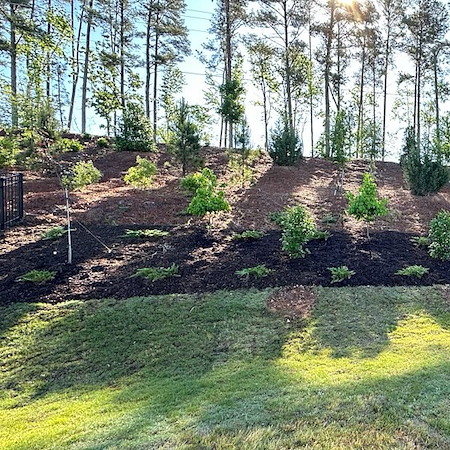
If you want rich color and steady growth, the right plan matters. This guide explains how often professional lawn fertilization in Mount Holly, NC should happen and why timing changes with grass type and weather. For a custom plan that fits your yard, see our lawn fertilization service from Perfect Pace Lawn & Landscaping, LLC.
You can also explore lawn fertilization in Mount Holly, NC resources on our home base if you are starting your research and want a quick overview before scheduling.
Why Fertilization Frequency Matters In Mount Holly
Our area sits in the Piedmont, which means cool, quick springs, hot humid summers, and mild swings in fall. Grass doesn’t grow at the same pace year-round, so your fertilization plan should follow the growth curve, not just the calendar. The result is thicker turf, better color, and fewer bare spots.
Feeding at the wrong time wastes product and can invite problems. When the lawn isn’t actively growing, nutrients don’t get used well and weeds may gain the advantage. A seasonal schedule keeps nutrition landing right when your turf can put it to work.
The Seasonal Schedule For Tall Fescue (Cool-Season)
Tall fescue is common across Mount Holly’s neighborhoods. It loves cooler temps and prefers most of its nutrition outside the hottest months. Here is what a professional schedule typically looks like:
- Late winter: a light application to support roots before spring activity starts
- Early to mid fall: a key feeding that repairs summer thinning and thickens the lawn
- Late fall: a follow‑up feeding to bank energy for winter and a quick spring green‑up
Fescue takes a summer pause. Avoid heavy nitrogen during peak summer heat on fescue because it pushes soft growth and raises disease risk. Your plan may shift slightly based on shade, traffic, and irrigation habits.
The Seasonal Schedule For Bermuda And Zoysia (Warm-Season)
Warm-season turf loves heat and wants to be fed when it is fully awake and growing fast. A pro plan usually tracks soil warmth and active growth:
- Late spring: start once the lawn is fully green and actively growing
- Summer: measured feedings while growth is vigorous
- Late summer: taper so the lawn can harden off as nights cool
Wait until warm-season turf is fully green before the first big feeding. Early spring applications can help weeds more than grass and may get washed out by cool snaps. Your actual dates depend on your site’s sunlight and soil conditions.
How Weather In Gaston County Shifts The Calendar
Mount Holly’s quick spring warm-ups and pop-up summer storms around the Catawba River can nudge timing forward or back. After long rain stretches, professionals often let turf dry and regain footing before the next visit. That reduces tracking, compaction, and product loss to wet soil.
Local callout: Our clay-heavy soils can hold water after big thunderstorms. Giving the lawn a short drying window reduces runoff and helps nutrients reach the root zone. It also keeps foot traffic from pressing ruts into soft areas.
Neighborhoods with afternoon shade cool off faster in late summer. Sun-drenched lawns along open streets or hilltops stay warmer longer. Those microclimates change growth speed and may shift a feeding by a week or two. That is why a one-size calendar rarely fits every yard in Mount Holly.
How Many Visits Per Year Is “Right” Here?
Most Mount Holly lawns thrive with a steady, seasonal program rather than monthly dosing. Cool-season fescue typically centers on late winter and fall feedings with a summer pause. Warm-season Bermuda and zoysia center on late spring through summer feedings while the lawn is actively growing.
Your plan might add a light mid-spring or early fall application depending on traffic from kids and pets, irrigation coverage, and soil test results. When in doubt, match feedings to active growth, not the date on the calendar.
Signs Your Lawn Is Ready For Its Next Feeding
Professionals watch for simple clues between visits. You can look for the same signs to understand why your tech is recommending a particular week:
• color softens and fades faster after mowing
• the lawn rebounds slowly from foot traffic or weekend play
• new growth looks thin instead of filling in bare edges
• weeds try to take open space between blades
These patterns tell us when the turf is ready to use nutrition well. If shade, slope, or compacted soil is in play, we may adjust timing and focus on strengthening roots first.
How Fertilization Fits With Weed Control And Mowing
Fertilization works best when it’s part of a larger plan. Coordinating with weed control keeps pressure low, so your grass can claim space and thicken. Mowing on a consistent schedule supports density and reduces stress during heat waves.
For a month-by-month perspective from our team, check this local guide on fertilization timelines for Mount Holly lawns. It shows how cool-season and warm-season schedules differ in our climate and why we time visits the way we do.
Keep kids and pets off the lawn until treatments have dried or as your technician advises. That small pause protects people and keeps products where they belong.
What About Irrigation And Soil?
Water and soil structure make or break any schedule. Deep, occasional watering builds stronger roots than short, frequent sprinkles. Compacted soil near play areas or along sidewalks can slow nutrient movement to roots, so aeration or cultural practices may be recommended before we refine your timeline.
Homes closer to the river or low spots may hold moisture longer. Sunny, breezy lots dry faster. Your Perfect Pace Lawn & Landscaping, LLC technician takes these patterns into account when mapping your seasonal visits.
Simple Seasonal Snapshot You Can Expect
Here’s a plain-language view of how a professional program in Mount Holly often shapes up across the year. Exact timing varies with your grass type and site conditions:
Fescue focus: late winter, early fall, late fall, with a summer pause and careful monitoring.
Bermuda and zoysia focus: late spring start, mid-summer maintenance, tapering in late summer as nights cool.
When you’re ready to move from guessing to a plan that fits your property, see how our team structures visits and coordinates with mowing and irrigation on our lawn fertilization service page.
Ready For Thicker, Greener Grass?
Mount Holly homeowners trust Perfect Pace Lawn & Landscaping, LLC for clear scheduling and healthy results that last through heat and weekend family traffic. If you want a lawn that keeps its color and rebounds fast, our team will map the right calendar for your turf and site conditions.
Call 704-497-1715 or ask for a seasonal plan in minutes. We will time visits around growth and weather, then pair your feedings with simple cultural practices for durable, great-looking turf. Start with a custom lawn fertilization program that matches Mount Holly’s climate and your yard’s needs.
Schedule A Consultation TodayWith Mount Holly's Finest Landscaping & Lawn Care Company